
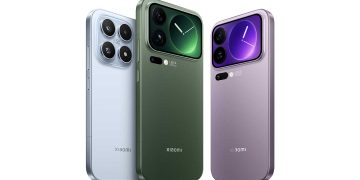


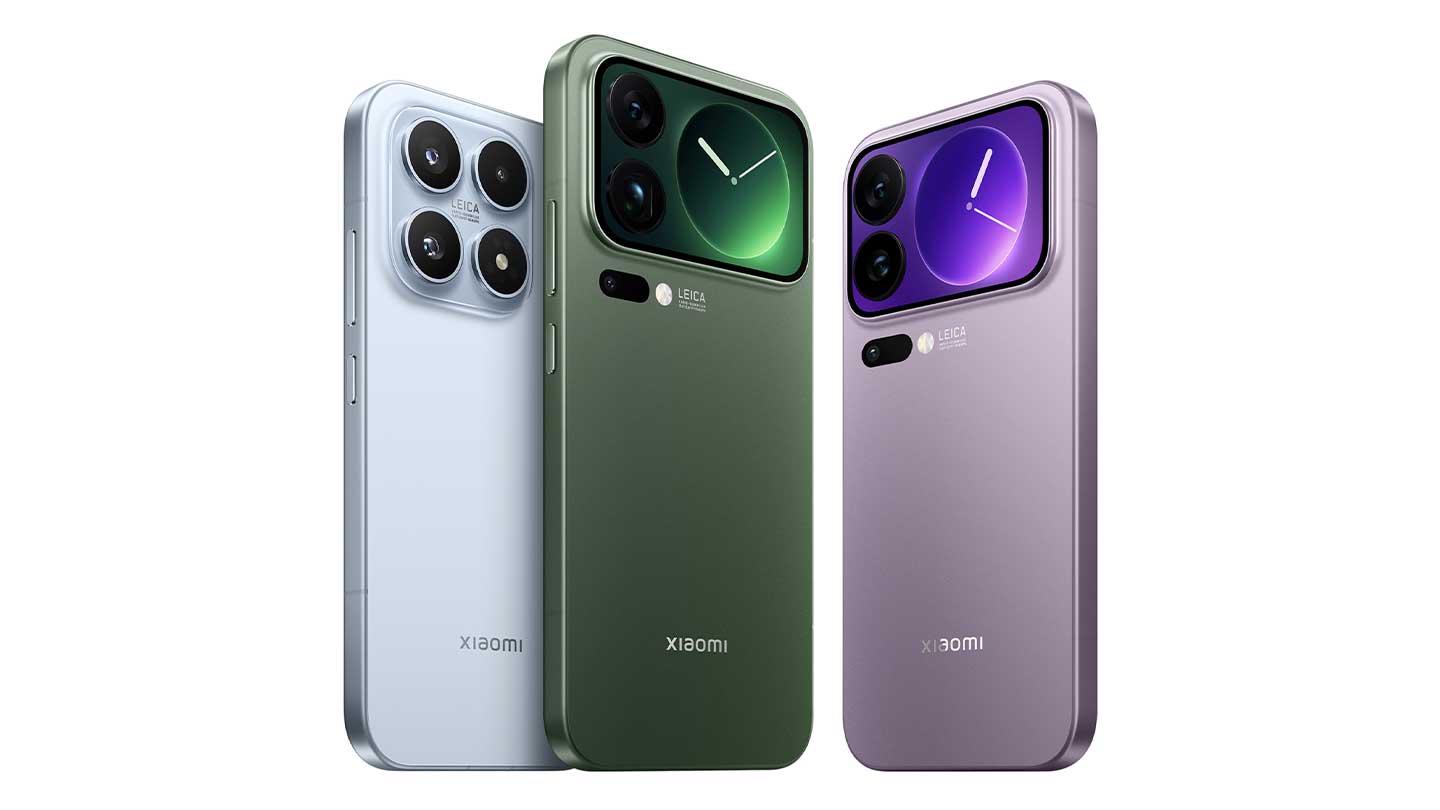

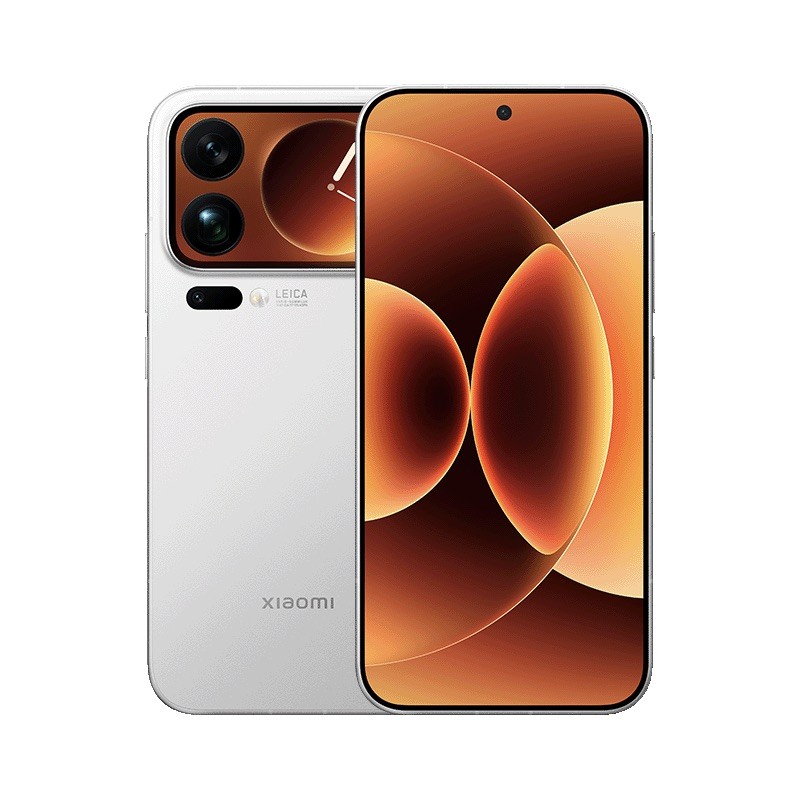
With most phone designs looking exactly the same for the past few years, Xiaomi decided to try something different. The result is the Xiaomi 17 Pro Max and 17 Pro, which have another high-quality display built in next to the cameras. Is it a feature that actually benefits the user, or just a nice trick? We’ll try to find out. I’ll warn you right away that in this Xiaomi 17 Pro Max review, we’ll focus mostly on the rear display and the cameras, because they are what set these phones apart from all the others.
Xiaomi 17 Pro Max and Pro: Two Sizes, Two Batteries
The Pro and Pro Max differ mainly in size and weight. The Pro has a 6.3-inch display, weighs 192 g and has a 6,300 mAh battery. The Xiaomi 17 Pro Max has a 6.9-inch screen, weighs 219 g and packs a 7,500 mAh battery. The second display differs too: it measures 2.7 inches on the smaller model and 2.9 inches on the larger one.
Xiaomi 17 Pro Max Design and Build
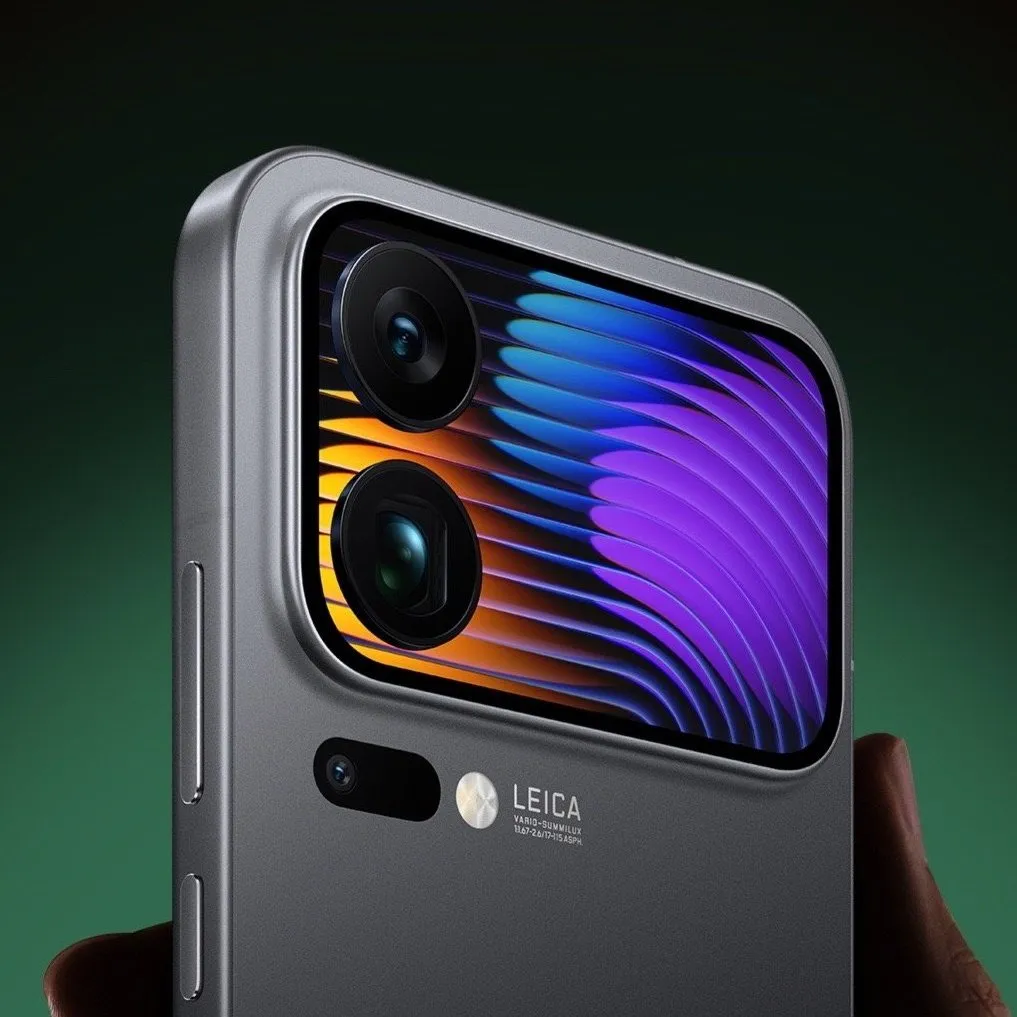
Apart from the large camera island, the phone is fairly classic. The front is protected by Xiaomi Dragon Crystal Glass 3, the back is made of fiberglass and the frame is aluminum. The Xiaomi 17 Pro Max looks very similar to the iPhone 17 Pro Max, but according to reviewers the design is simpler than Apple’s, and the camera block is symmetrical and doesn’t stick out.
The matte back resists fingerprints well, but that also makes the phone fairly slippery. The thickness without the camera bump is only 8 mm, which is very good considering the 7,500 mAh battery and the wireless charging coil. Water resistance is impressive too: the manufacturer says the phone can survive immersion to a depth of up to 6 meters for half an hour. It’s also worth mentioning that the phone has two physical SIM slots but doesn’t support eSIM. We covered eSIM technology in a separate article, so you know this can become a serious drawback for some users.
The Rear Display: Gimmick or Real Benefit?
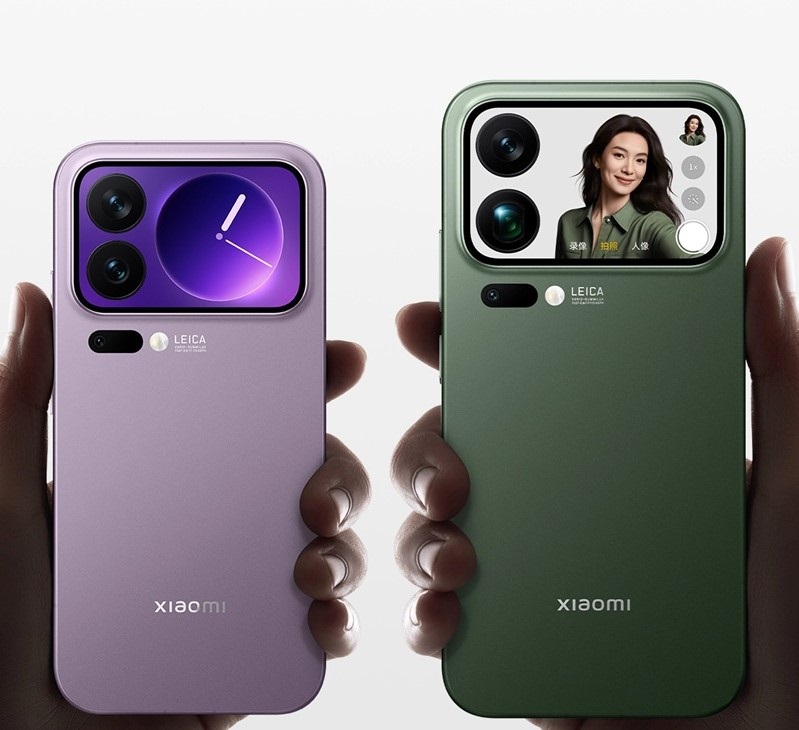
Now for the most important part. The Xiaomi 17 Pro Max’s second display is a 2.9-inch LTPO OLED panel with a 120 Hz refresh rate and a peak brightness of 3,500 nits. In other words, this is not a cheap black-and-white mini screen but a display of the same class as the main one, just smaller.
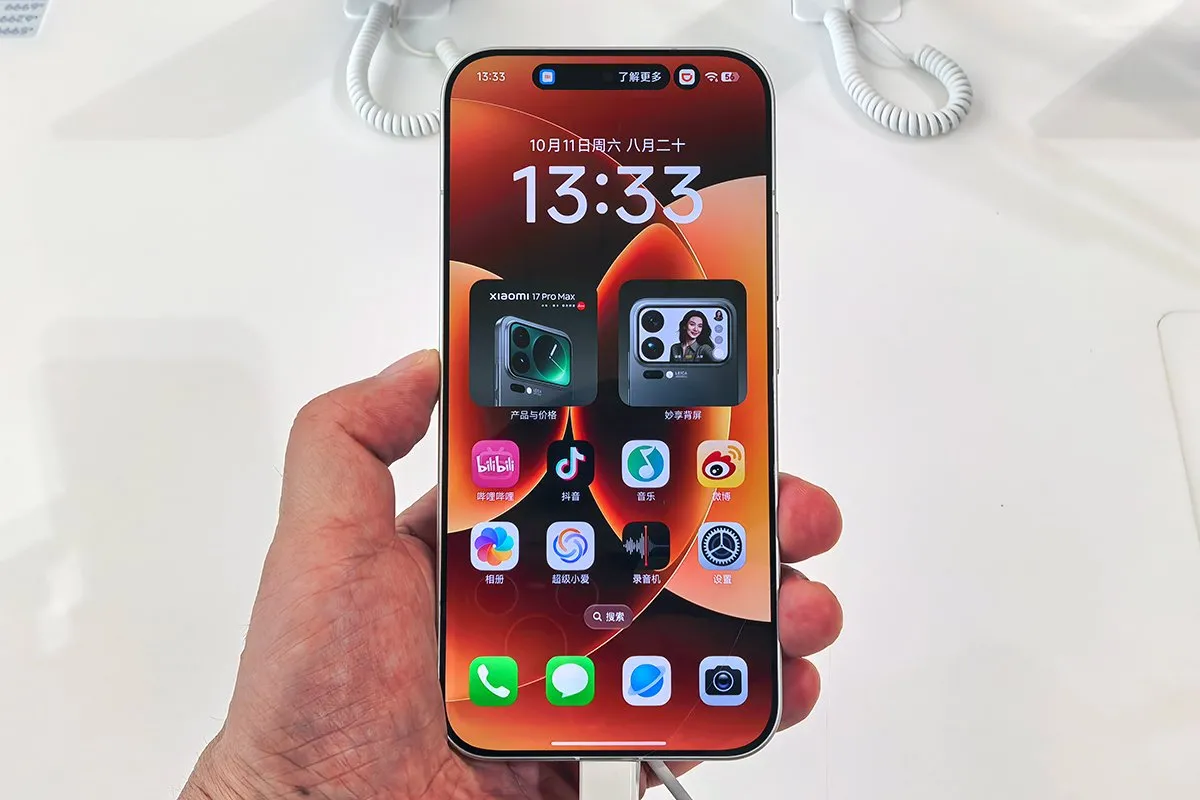
What can you do with it? It’s a fully touch-enabled screen that supports widgets and even third-party apps. For example, you can see the license plate of a taxi you’ve ordered or open your Spotify playlists. But here is the first problem: third-party support is so far limited to Chinese apps, and of the Western ones, only Spotify is supported on the rear display. Still, even without working apps the screen doesn’t stay empty, because the system shows contextual information, notes, timers, notifications and your step count. On the other hand, the manufacturer lists customizable widgets, animated pets and even AI-generated wallpapers.
The fun part is for those who love retro gaming. Xiaomi offers a Game Boy-inspired case with a physical D-pad and buttons beneath a cutout for the rear display. Will anyone actually play games that way? I doubt it. But as a bit of showing off that goes down well at a party, it will work really well.
Selfies with the Main Camera
Still, the real value of the rear display lies elsewhere. It becomes a viewfinder, and Xiaomi has moved a full camera app onto it, with zoom switches, settings and a shutter button. This means you can use the phone’s best camera for your own photos instead of a weaker front one. The difference is especially noticeable at dusk, where a large sensor clearly beats a small front camera. On top of that, the people you’re photographing can see themselves on the rear display.
The main camera delivers excellent self-portraits with natural background blur, and 2x zoomed shots look flawless, so the rear camera is recommended as the go-to for selfies. The ultrawide camera isn’t a great fit for this, but it comes in handy when you need to fit more people into the frame.
Xiaomi 17 Pro Max Cameras: What We Have and What We Got
All four Xiaomi 17 Pro Max cameras are 50 MP. Their specifications look like this:
- Main: 50 MP “Light Fusion 950L” sensor, f/1.7 aperture, 1/1.28-inch size, 23 mm focal length, optical stabilization and Leica Summilux optics.
- 5x telephoto: 50 MP, f/2.6, 1/1.95-inch sensor, optical stabilization. A new prism layout made room for a larger sensor than in the previous generation.
- Ultrawide: 50 MP, f/2.4, 1/2.88-inch sensor, 17 mm focal length and a 102° field of view.
- Front: finally 50 MP with autofocus, replacing the 32 MP camera that was used for a long time.
Main Camera: What the Phone Does Best
In daylight the results are excellent. The main camera can compete with the best in the industry: photos are sharp, detailed, noise-free and have a wide dynamic range. The weak spot is color processing. Colors are fairly restrained, but reds and sometimes greens tend to become oversaturated. So if you like a natural look, be aware that there will be moments when you’ll need to use filters.
Compared with the Xiaomi 15 Ultra, the picture is fairly similar. The Xiaomi 17 Pro Max renders fine detail in the shadows better and produces warmer images, but the 15 Ultra has a wider dynamic range and nicer contrast. Portrait mode didn’t disappoint either: skin rendering and background blur are rated very well.
At night the main camera performs excellently, with well-exposed shadows and highlights and no background noise at all. In dark conditions, night mode activates automatically.
Telephoto: Where the Doubts Begin
Here we run into the first bigger disappointment. Telephoto processing is similar to the main camera’s, but the quality is unimpressive, and many photos came out out of focus or blurry, which points to weak optical stabilization. The comparison with the 15 Ultra is even more painful: last year’s model shoots much sharper and more detailed photos with its telephoto, even though its zoom is shorter, at 4.2x.
There are pleasant surprises too. The telephoto focuses from 30 cm, so you can sometimes get nice close-up shots. However, 10x shots are already too blurry. At night things only get worse: photos are clean but not very sharp, and the color temperature is too warm.
Ultrawide: A Compromise for the Rear Display
This lens was the least fortunate. On paper it falls behind its predecessor, with a narrower field of view and a smaller aperture, although autofocus remains. Users noticed that the 102° field of view isn’t as wide as expected and sits very close to the main camera’s 23 mm. In daylight the quality is adequate, and the dynamic range is even better than average. At night, however, it isn’t competitive: fine detail is missing, and sharpness is insufficient even for an ultrawide. I have no doubt the need for space for the second display played a role here. Since it had to be fitted somewhere, the camera layout was reshuffled, and the ultrawide lens ended up with the smallest sensor.
The Xiaomi 17 Pro Max’s video capabilities are broad. The main camera shoots up to 8K at 30 frames per second, the rest up to 4K at 60 frames, and HDR10+, 10-bit Dolby Vision and 10-bit LOG are supported if you want to grade the colors yourself. Results are good but not perfect: the main camera’s footage is detailed, with excellent dynamic range, but stabilization isn’t the best, as slight shakiness is noticeable.
Xiaomi 17 Pro Max Display, Performance and Battery
The main display doesn’t disappoint. It’s a 6.9-inch LTPO OLED with a peak brightness of 3,500 nits and 2,160 Hz PWM dimming. Performance is top-tier too, as the phone runs on the Snapdragon 8 Elite Gen 5 with UFS 4.1 storage, and the base version has 512 GB. It also runs Android 16 with HyperOS 3.
The battery, as you’d expect from such a capacity, lasts a long time: in tests, active use reached almost 21 hours, and video playback 29 hours. Charging is fast as well: 100 W wired and 50 W wireless.
Xiaomi 17 Pro Max Price and Availability
As noted, the Pro and Pro Max remained available only in China, while only the standard Xiaomi 17 and the 17 Ultra were chosen for the global launch, priced in Europe at €999 and €1,499. For those who still want to buy one, one store offers the Xiaomi 17 Pro Max from roughly $949 to $1,099. Add shipping and import taxes on top of that.
Pros and Cons
What we like:
- The rear display as a viewfinder for your own photos
- Excellent main camera by day and by night
- Big battery and fast charging
- Top-tier main display and performance
- Slim body despite the big battery
What we don’t:
- Weak 5x telephoto, especially compared with the 15 Ultra
- Weaker ultrawide camera
- Limited app support on the rear display
- No eSIM
- Still not officially sold in Europe
Final Thoughts
The Xiaomi 17 Pro Max is one of the most interesting flagships of recent years. The rear display does its job well: taking selfies with the big camera is a real benefit you’ll feel every day. Everything else, including the classic games and the pets, is more fun than necessity.
However, the price of this idea was paid in camera quality. The main camera is excellent, but the telephoto and ultrawide fall short of what you’d expect from a phone costing over a thousand euros. If you shoot a lot and love zoom, the more practical choice will be the Xiaomi 17 Ultra, which can be bought officially. And if your daily routine revolves around photographing yourself and shooting video, the screen on the back could be just what you’ve been looking for.